Source Reflective Cooling Work Vest for Outdoor Work, Construction, and Warehousing
Find 30 verified listings for the Reflective Cooling Work Vest designed for outdoor work, construction sites, and warehousing. Compare specifications including material, size, and cooling features to identify the right supplier for your needs.
Key considerations
Products List

Hot Weather Ice Reflective Cooling Vest
$9.50 - $15.50
MOQ: 100 Pieces
Nanchang ICE BEAR Cooling and Warming Household Products Co., Ltd.

Outdoor Safety Work Special Cooling Vest with Fan
$16.50 - $29.90
MOQ: 100 Pieces
Nanchang ICE BEAR Cooling and Warming Household Products Co., Ltd.


Ice Pack Vests Summer Outdoor Construction Work Lightweight Cooling Vest
$16.82 - $18.28
MOQ: 500 pieces



Comprehensive Sourcing Guide
Strategic Sourcing Guide for Reflective Cooling Work Vests
The global demand for personal protective equipment (PPE) designed for thermal regulation has surged, particularly within sectors where workers face extreme ambient temperatures. Among the most critical innovations in this space is the Reflective Cooling Work Vest. These garments serve a dual purpose: providing high-visibility safety features essential for construction, logistics, and outdoor maintenance, while simultaneously employing active or passive cooling technologies to prevent heat stress. For procurement professionals, sourcing these items requires a nuanced understanding of technical specifications, material science, and supply chain dynamics. This guide outlines the essential factors for evaluating suppliers and products to ensure the acquisition of reliable, compliant, and effective cooling vests.
Technical Specifications and Functional Architecture
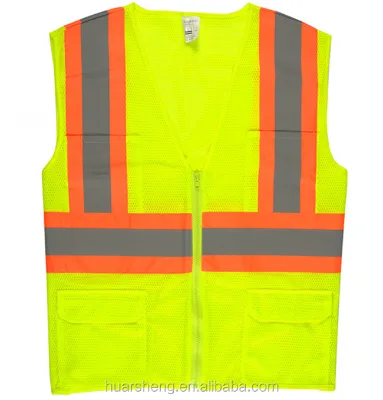
When evaluating a Reflective Cooling Work Vest, the primary focus must be on the integration of cooling mechanisms with safety standards. The product landscape includes both passive cooling fabrics and active systems. Active cooling vests often incorporate a jacket structure housing 5V fans and a USB shift line, designed to circulate air and lower skin temperature. In contrast, passive variants rely on high-performance materials such as polyester or blends of polyester and cotton to enhance breathability and moisture management.
A critical technical observation is the variation in material composition across different models. While some units are constructed from 100% polyester to ensure durability and quick-drying properties, others utilize a polyester/cotton blend to balance comfort with performance. The structural design also varies significantly; some models feature an open fronted structure with a zipper closure, while others may be sleeveless or long-sleeved depending on the specific application. The size range is another vital specification, with suppliers offering sizes from Small (S) to Extra Extra Large (XXXL) or even up to 5XL, ensuring fit for diverse adult user demographics.
The cooling functionality is often marketed with specific claims such as "Withstand High Temperature" or "Keep Cooling." Buyers must verify how these claims are achieved. For instance, a vest labeled as "Ice Cooling" may rely on phase-change materials or evaporative cooling, whereas a "Ventilated Cooling Vest" might utilize mechanical fans. The presence of reflective elements is non-negotiable for work environments, ensuring the vest meets visibility requirements in low-light conditions. Additionally, features like anti-wrinkle, waterproof, and quick-dry capabilities are frequently cited as advantages, particularly for outdoor workwear used in variable weather conditions.
Compliance, Certification, and Safety Standards
Navigating the regulatory landscape for PPE is a complex task that requires rigorous verification. While the product data indicates that some suppliers may reference standards such as EN 342 or ISO 11079, these are often background references rather than guaranteed certifications for every listed unit. Procurement teams must not assume that a product listing implies compliance with these specific international standards without physical verification.
The primary safety requirement for any work vest is its ability to maintain visibility. Reflective materials must be durable and wash-resistant to ensure they do not degrade after repeated use or cleaning cycles. Buyers should request specific test reports from suppliers to confirm that the reflective tape meets local or international visibility standards, such as those defined by ANSI/ISEA in the United States or EN ISO 20471 in Europe. Although some product attributes mention "free" standards or generic material standards like "Polyester," these do not equate to safety compliance.
Furthermore, electrical components in active cooling vests, such as 5V fans and USB lines, introduce additional safety considerations. These components must be tested for electrical safety, particularly regarding water resistance and battery safety if applicable. While some listings mention CE certification, this should be treated as a claim requiring validation rather than a confirmed fact. Procurement teams must insist on valid third-party test certificates for electrical safety and material flammability to mitigate liability risks in the workplace.
Cost Drivers and Pricing Dynamics
The pricing of reflective cooling work vests is influenced by a complex interplay of factors, including material quality, cooling technology, and customization requirements. The observed market price range is broad, spanning from $0.50 to $599 USD. This variance reflects the difference between simple passive cooling vests and complex active systems with integrated electronics.
Material costs are a primary driver. Vests made from 100% polyester or specialized blends often command higher prices due to the cost of high-performance fibers that offer superior breathability and durability. Active cooling vests, which include fans, batteries, and control units, naturally carry a higher price point due to the added manufacturing complexity and component costs. The inclusion of reflective tape and high-visibility colors, such as light blue, dark blue, grey, or yellow, also adds to the material expense.
Customization is another significant cost factor. Many suppliers offer customization services, which can include logo printing, specific color requests, or tailored sizing. While the base price may be low, the cost per unit often increases with the level of customization. Additionally, the Minimum Order Quantity (MOQ) plays a crucial role in the final unit cost. MOQs can range from as low as 1 piece to as high as 5000 pieces. Buyers purchasing in bulk can often negotiate better unit prices, but they must balance this against inventory holding costs and cash flow requirements.
Typical Applications and Usage Scenarios
Reflective cooling work vests are designed for a wide array of professional environments where heat stress and visibility are critical concerns. The primary application is outdoor workwear, suitable for construction sites, road maintenance, and logistics operations. In these settings, workers are exposed to direct sunlight and high ambient temperatures, making thermal regulation essential for maintaining productivity and safety.
The "Summer" and "Spring/Autumn" seasonal attributes indicate that these vests are versatile enough for use in varying climates. However, their effectiveness is most pronounced in high-temperature environments. The "Outdoor Work" and "Outdoor Workwear" usage tags highlight their suitability for industries where workers must remain visible to machinery operators and traffic while managing body temperature.
Beyond industrial applications, these vests are also used in events, emergency response, and recreational activities where prolonged exposure to the sun is expected. The "Casual" style and "Unisex" gender classification suggest that they can be adapted for non-industrial use, provided the safety requirements are met. The "Keep Cooling" function is particularly valuable for workers engaged in heavy physical labor, as it helps prevent heat exhaustion and heat stroke.
Supplier Evaluation and Sourcing Strategy
Selecting the right supplier is paramount to ensuring the quality and reliability of the procurement. Given the wide range of product attributes and the potential for misleading claims, buyers must adopt a rigorous evaluation process. The first step is to verify the supplier's origin and manufacturing capabilities. Most products in this category originate from China, with specific regions like Jiangxi being noted as production hubs. Buyers should confirm the specific factory location to assess logistics costs and lead times.
Supplier reliability can be gauged by their response to technical inquiries and their willingness to provide detailed product specifications. A reputable supplier will be transparent about the materials used, the cooling mechanism employed, and the safety certifications held. They should also be able to provide samples for testing before committing to a large order. The packaging details, such as OPP bags, PE bags, or carton packaging, can also indicate the supplier's attention to detail and commitment to product protection during transit.
It is crucial to avoid suppliers who make unverifiable claims about certifications or performance. If a supplier lists a standard like EN 342 without providing a certificate, the buyer should treat this as a red flag. Additionally, the supplier's ability to handle customization requests and their flexibility regarding MOQs are important factors. Some suppliers may offer low MOQs for custom orders, while others may require bulk purchases, impacting the buyer's procurement strategy.
Quality Control and Long-Term Procurement Considerations
Implementing a robust quality control (QC) process is essential to ensure that the received products meet the specified requirements. Buyers should establish clear acceptance criteria based on the technical specifications, including material composition, cooling efficiency, and reflective visibility. Regular inspections during production and pre-shipment checks are recommended to catch any defects early.
Long-term procurement considerations involve building a sustainable relationship with suppliers who can consistently deliver high-quality products. This includes monitoring the supplier's ability to maintain quality over time, especially as production volumes increase. Buyers should also consider the lifecycle of the product, including the durability of the cooling components and the washability of the reflective materials.
Sustainability is becoming an increasingly important factor in procurement. Buyers should inquire about the environmental impact of the materials used and the manufacturing processes. While specific sustainability claims may not be present in all product listings, asking suppliers about their environmental policies can help identify partners who align with corporate sustainability goals.
Comparative Analysis of Product Attributes
To facilitate decision-making, the following table summarizes key product attributes observed in the market, highlighting the variations that buyers should consider.
| Attribute Category | Observation 1 | Observation 2 | Observation 3 |
|---|---|---|---|
| Cooling Mechanism | Active (5V Fans + USB) | Passive (Breathable Fabric) | Phase Change / Ice Cooling |
| Material Composition | 100% Polyester | Polyester / Cotton Blend | Polyester |
| Style & Fit | Sleeveless, V-Neck | Long Sleeve, Zipper | Sleeveless, Open Fronted |
| Size Range | S to XXXL | S to 5XL | S to XXXL |
| Color Options | Light Blue, Dark Blue, Grey | Yellow | Light Blue, Dark Blue, Grey |
| Packing | OPP Bag, PE Bag | Poly Bag and Label | By Carton |
| MOQ | 1 - 5000 PCS | 500 PCS | Variable |
| Key Features | Quick Dry, Waterproof | Anti-Wrinkle, Breathable | Withstand High Temperature |
This comparison underscores the diversity of options available. Buyers must align their specific operational needs with the appropriate product attributes. For instance, a construction site requiring high durability might prefer a polyester blend with waterproof features, while a logistics team might prioritize the active cooling of a fan-equipped vest.
In conclusion, sourcing reflective cooling work vests requires a balanced approach that combines technical knowledge with rigorous supplier evaluation. By focusing on verified specifications, ensuring compliance with safety standards, and understanding the cost drivers, procurement professionals can secure products that enhance worker safety and comfort. The broad range of available options allows for tailored solutions, but the responsibility lies with the buyer to verify claims and ensure quality through systematic testing and supplier engagement.
FAQs
What materials are used for reflective cooling work vests?
Most vests use 100% polyester or a polyester and cotton blend. These materials ensure durability, quick drying, and breathability for outdoor work environments.
Can I find vests with active cooling fans included?
Yes, some models include a jacket with 5V fans and a USB shift line. These active systems circulate air to help withstand high temperatures effectively.
Which sizes are available for adult users?
Sizes range from Small (S) to Extra Extra Large (XXXL) or even 5XL. This wide range ensures a proper fit for diverse adult demographics in various climates.
How can I customize the product for my brand?
Customization is available for many suppliers offering these vests. Buyers can request specific colors, logos, or tailored sizing depending on the supplier's capacity.
What is the typical minimum order quantity for these vests?
MOQs vary significantly from 1 piece up to 5000 pieces depending on the supplier. Bulk orders often allow for better negotiation on unit pricing and customization.
Are these vests suitable for outdoor work in summer?
Yes, they are designed for summer and spring autumn use in outdoor work settings. Features like quick dry and waterproof capabilities protect against variable weather.
Where are these products typically manufactured?
Most products originate from China, with specific production hubs noted in Jiangxi. Buyers should verify factory locations to assess logistics costs and lead times accurately.